

South Asia's $4.2B ERP Opportunity: What the Numbers Mean for Your Business
Introduction
Enterprise Resource Planning (ERP) software is no longer a technology reserved for large multinational corporations. Across South and Southeast Asia, businesses of all sizes are increasingly investing in ERP systems to improve efficiency, streamline operations, and remain competitive in a rapidly evolving global economy.
From Bangladesh's garment manufacturing sector to India's technology-driven business ecosystem and Indonesia's expanding SME market, demand for ERP solutions is accelerating. Industry analysts estimate that the ERP market across South and Southeast Asia is growing at approximately 14–16% annually, making it one of the fastest-growing regions for enterprise software adoption.
The question is no longer whether businesses should adopt ERP systems, but how quickly they can implement them to gain a competitive advantage.
Rising Labour Costs
Businesses throughout Asia are facing increasing labour expenses. As wages rise, companies are under greater pressure to improve productivity and reduce operational inefficiencies.
ERP systems help organizations automate repetitive tasks, optimize resource allocation, and provide real-time visibility into business operations. This allows companies to achieve more output without proportionally increasing workforce costs.
Increasing Global Competition
Manufacturers and service providers are competing in global markets where speed, accuracy, and transparency are essential.
Companies that continue relying on spreadsheets and disconnected software systems often struggle with delayed reporting, inventory inaccuracies, and poor decision-making. ERP platforms centralize business information, enabling leaders to respond faster to market changes and customer demands.
Digital Transformation Initiatives
Governments and private sectors across Asia are actively promoting digital transformation. As internet access improves and cloud technologies become more affordable, businesses are increasingly willing to invest in modern software infrastructure.
The widespread use of smartphones and digital applications has also changed expectations among business owners and managers. Today's entrepreneurs expect business software to deliver the same ease of use and accessibility they experience in consumer applications.
Bangladesh: ERP Adoption in the Garment Industry
Bangladesh is one of the world's leading apparel manufacturing hubs, with thousands of ready-made garment (RMG) factories supplying global brands.
As international buyers demand greater transparency, compliance, and operational efficiency, garment manufacturers are investing heavily in ERP systems.
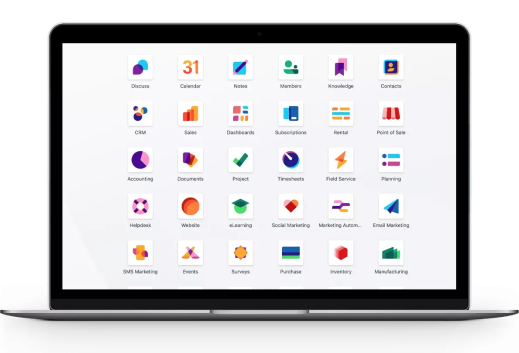
These platforms help factories manage:
- Production planning
- Inventory control
- Supply chain management
- Human resources
- Compliance reporting
- Quality assurance
ERP implementation enables manufacturers to reduce production delays, improve order tracking, and meet the expectations of international customers.
Compliance Is Becoming a Competitive Requirement
International buyers increasingly require suppliers to comply with global standards related to labour practices, sustainability, and operational transparency.
Common compliance frameworks include:
- BSCI (Business Social Compliance Initiative)
- SA8000 Social Accountability Standards
- WRAP (Worldwide Responsible Accredited Production)
Managing compliance manually can be time-consuming and prone to errors. ERP systems simplify compliance tracking by maintaining centralized records, generating reports, and improving audit readiness.
For many manufacturers, ERP implementation has become an important part of meeting customer requirements and securing future business opportunities.
Why Early ERP Adoption Matters
Businesses that implement ERP systems today gain advantages that become increasingly difficult for competitors to replicate later.
Early adopters benefit from:
- Better operational visibility
- Faster decision-making
- Improved inventory management
- Enhanced customer service
- Reduced operational costs
- Stronger compliance management
- Greater scalability for future growth
Organizations that delay digital transformation may find themselves struggling to keep pace with competitors that have already optimized their operations through integrated business systems.
Conclusion
South and Southeast Asia are entering a new phase of business modernization. Rising labour costs, increasing compliance requirements, global competition, and widespread digital adoption are creating strong demand for ERP solutions across industries.
Whether it is Bangladesh's garment manufacturers, India's Global Capability Centres, Pakistan's textile exporters, or Indonesia's growing SME sector, organizations are recognizing that ERP systems are no longer optional tools—they are strategic investments.
As the regional ERP market continues its rapid expansion, businesses that embrace digital transformation today will be better positioned to achieve sustainable growth and long-term competitiveness in the years ahead.